Understanding The Metso Process
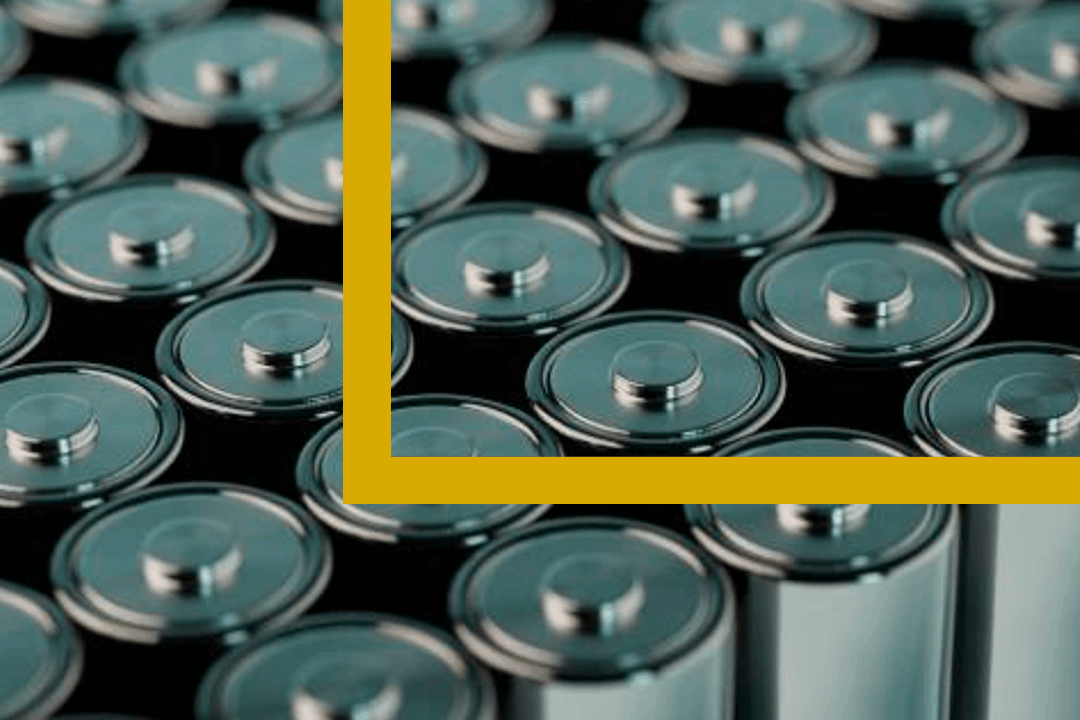
As global demand for electric vehicles and energy storage continues to surge, lithium hydroxide has emerged as a critical material in the production of high-performance lithium-ion batteries. Metso, a leading minerals processing technology company, offers specialized solutions for the production of battery-grade lithium hydroxide monohydrate (LHM).
This proprietary technology provides a more direct route to convert spodumene to battery-grade lithium hydroxide using an environmentally sustainable alkaline leaching process.
But let’s back up: Imagine you've just dug up a rock. That rock — called spodumene — has lithium locked inside it, but it's bound up with other minerals and completely useless to a battery manufacturer in its current form. The ‘rock’ goes through a series of separation steps to remove the majority of the unwanted minerals to produce a concentrate. Here's how that concentrate gets transformed:
Step 1 – Calcination and Milling
The mined spodumene concentrate is calcined at high temperature to convert it to a form that can be leached. Once cooled the concentrate is milled to produce a particle size that is optimal for leaching.
Step 2 – The Metso Difference - Pressure Leaching with Soda
Instead of mixing with sulphuric acid (which is what occurs in the conventional process), Metso mixes the milled concentrate with soda ash (sodium carbonate) — a far milder and more common reagent — and processes it under high pressure and temperature in a sealed reactor vessel. Think of it like a giant industrial pressure cooker; it dissolves the lithium out of the concentrate and settles it out as a solid without the hazards of acid.
Step 3 – Convert to Lithium Hydroxide
The lithium in the solids is then treated with lime (calcium hydroxide), which triggers a reaction that converts it into lithium hydroxide — the battery-ready form of lithium.
Step 4 – Filter
The lithium hydroxide solution is filtered to remove and wash the analcime residue. The analcime is the main solid by-product containing sodium aluminosilicates which could be recycled into eco-friendly concrete. The lithium hydroxide solution passes through a series of processes to remove any remaining impurities.
Step 5 – Purify
The lithium hydroxide solution is then purified through a process called ion exchange to selectively remove any remaining metals that may be in solution, particularly calcium which came from the lime addition step earlier on in the process. For context, ion exchange is also used to soften water.
Step 5 – Crystallize and Dry
The purified solution is evaporated and crystallized into a white powder — lithium hydroxide monohydrate — then dried and packaged for shipment to downstream battery component conversion facilities.
Why Metso Matters:
Metso not only avoids the use of sulphuric acid, but the process produces fewer hazardous byproducts, uses significantly less water, and leaves behind a neutral, inert mineral residue called analcime that can be reused rather than disposed of as hazardous waste. For this reason Metso describes it as one of their "Planet Positive" technologies.
This process has been proven at pilot scale for this project; it is in commercial operation at a facility in Texas and a second plant is preparing for start-up in Finland. You can learn more about the Metso process here.
Get Updates
Want to be informed when key milestones are met? When public consultations are scheduled? When our Environmental Assessment is complete? Sign-up to stay up to date on all the latest project news.